The case describes updates every 30 seconds, reviewed alongside pressure signals
The challenge
Neutralizing Agent Concentration Control Blind Spot
Traditional sampling and lab testing have long cycles, failing to capture real-time changes in sodium hydroxide concentration.
Read background
Chlorine tail gas absorption in accidents relies on sodium hydroxide solution to neutralize chlorine, requiring a concentration of 15%-20% to ensure effective absorption. However, traditional sampling and lab testing take about one hour from collection to results. For instance, a chemical plant experienced a gradual drop in sodium hydroxide concentration to below 10% during absorption, which went undetected due to testing delays, leading to incomplete chlorine absorption and excessive tail gas emissions.
Hidden Leaks Trigger Toxicity Spread
Leakage risks are hard to detect promptly, posing safety hazards.
Read background
In chlorine tail gas absorption systems, minor leaks in pipelines or valves are difficult to identify through manual inspections. Chlorine's strong corrosiveness and toxicity mean that leaks can spread to the production workshop and surrounding environment. In one case, a company experienced a minor leak in an absorption tower's connecting pipeline, which went unnoticed for two hours until detected by patrol staff, by which time a small amount of chlorine had spread, causing mild coughing and discomfort among workshop personnel.
Safety Barrier Failure Triggers Cascading Risks
Delayed monitoring undermines the stability of chlorine tail gas absorption systems, threatening production safety.
Read background
System operating parameters require timely adjustments based on real-time conditions, but delayed monitoring fails to provide prompt data for these adjustments. When anomalies occur, the inability to take immediate action can significantly reduce absorption efficiency. For example, a factory's delayed monitoring failed to detect abnormal pressure in the absorption tower, causing unstable system operation and posing a risk of severe chlorine leaks that could endanger the entire production area.
How it works
Targeted Safety Deployment for Corrosive Environments
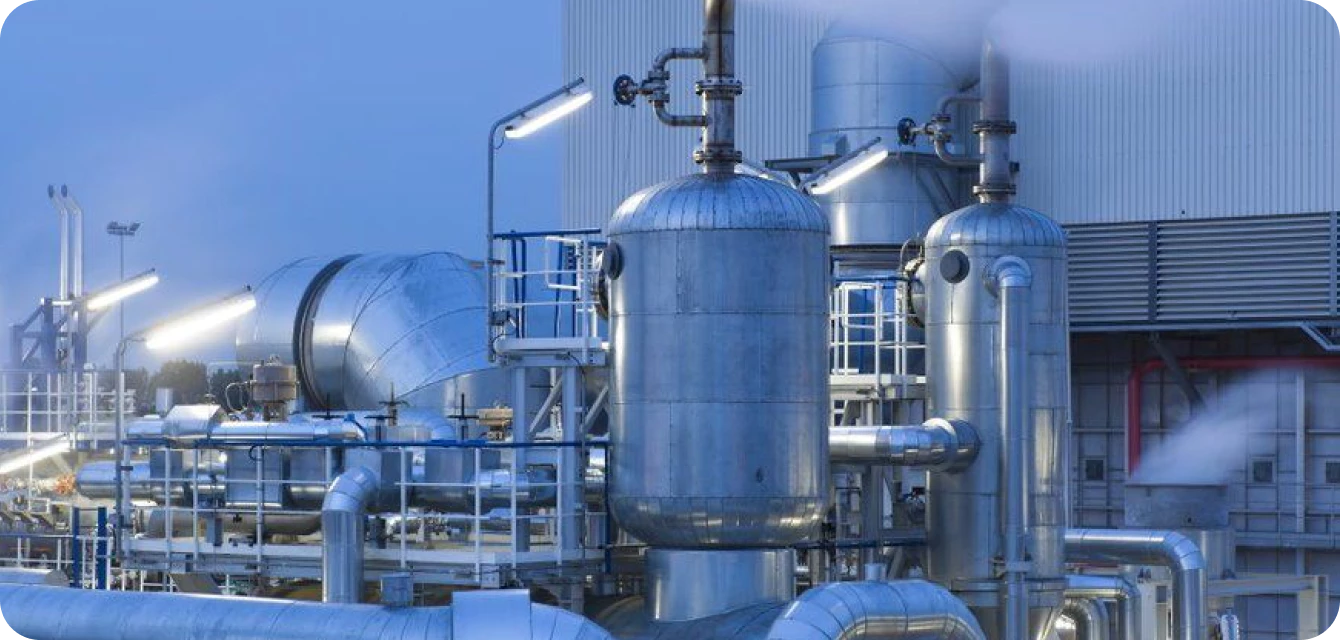
Applied to the chlorine tail gas absorption process in accident scenarios, specifically monitoring the safe concentration of sodium hydroxide. This solution is tailored for chlorine tail gas absorption systems, accurately measuring sodium hydroxide content in the absorption liquid. The equipment features a pressure-resistant, sealed design to withstand corrosive gas environments and can be installed at critical locations such as absorption towers and circulation pipelines.
Online absorption-liquid concentration monitoring
Replaces traditional sampling and lab testing with real-time safety concentration monitoring. High-precision sensors directly interact with the absorption liquid, eliminating the need for manual sampling. Data is updated every 30 seconds and transmitted in real-time to the monitoring terminal, allowing staff to view dynamic changes in sodium hydroxide concentration on the monitoring screen.
Gas and pressure alarms
Operators receive audible and visual alarms from the gas and pressure monitoring equipment when chlorine exceeds the configured limit or pressure becomes abnormal. The monitoring terminal displays the alarm location and affected parameters.
What changed
Precise Interception of Leaks at the Earliest Stage
Timely detection of leakage risks reduces the likelihood of safety incidents. The real-time monitoring mechanism triggers alerts at the onset of leaks, enabling staff to quickly implement sealing or repair measures. After adopting this solution, one company successfully identified and addressed three minor leaks at their early stages, preventing any safety incidents.
Enhanced Continuity of Absorption System Operation
Improves production safety and ensures stable operation of the tail gas absorption system. Real-time monitoring of sodium hydroxide concentration and system status allows for timely parameter adjustments, maintaining consistent and efficient system performance. Post-implementation, the stable operating time of a company's chlorine tail gas absorption system increased by 30%.
Transforming Downtime into Proactive Protection
Minimizes the impact of delayed monitoring on production, boosting overall efficiency. By eliminating downtime caused by unaddressed system anomalies due to delayed monitoring, production processes run more smoothly. After implementation, one factory reduced production interruptions due to chlorine tail gas absorption system issues by 80%, with overall production efficiency increasing by 15%.
Reported results describe this project and its operating conditions. Suitability for your application requires evaluation of your sample and installation.
Let's talk about your application
What would you like to measure?
You don't need a finished specification. Tell us about your sample and the problem you want to solve.
The material or sample you work with
The measurement you need
Where you plan to use it
Prefer to contact us directly?
bd@vispek.cn
International sales
+86 187 8028 5542
China sales
+86 186 6590 3209
Office
+86 755 2665 1125
Office address
Room 501, Building K, North Zone, Qianhai Shenzhen-Hong Kong Youth Innovation Hub, 5188 Menghai Avenue, Shenzhen, China